Purim shiur by Mrs. Leah Feinberg, delivered 9 Adar II 5784 / March 19, 2024.
Post Updated January 20, 2026
KEY TAKEAWAYS:
The Symbolic Language of Clothing
The text establishes that clothing (beged) is linguistically related to betrayal (bagad). This suggests that clothing often serves as a “mask” or a way to present a version of ourselves to the world that may not reflect our internal reality.
-
Achashveirosh’s Arrogance: By wearing the bigdei kehuna (priestly garments), he attempted to use sacred items to amplify his own ego and material glory.
-
Mordechai’s Authenticity: Mordechai refused to wear “proper” clothes to play politics. His sackcloth was an honest reflection of his internal grief and the spiritual state of the Jewish people.
Esther’s “Royalty” as a Spiritual State
When the Megillah says Esther “wore royalty,” it omits the word “clothing.” The commentaries suggest she wasn’t just putting on a dress, but rather:
-
Divine Inspiration: She was “clothed” in ruach haKodesh.
-
Purpose: She finally embraced her role as the savior of her people.
-
Ancestral Rectification: She took on the “kingship” of her ancestor, King Shaul, to finish his mission of defeating Amalek.
The Conflict: Haman vs. Mordechai
The lecture highlights a fundamental philosophical difference between the villain and the hero regarding identity.
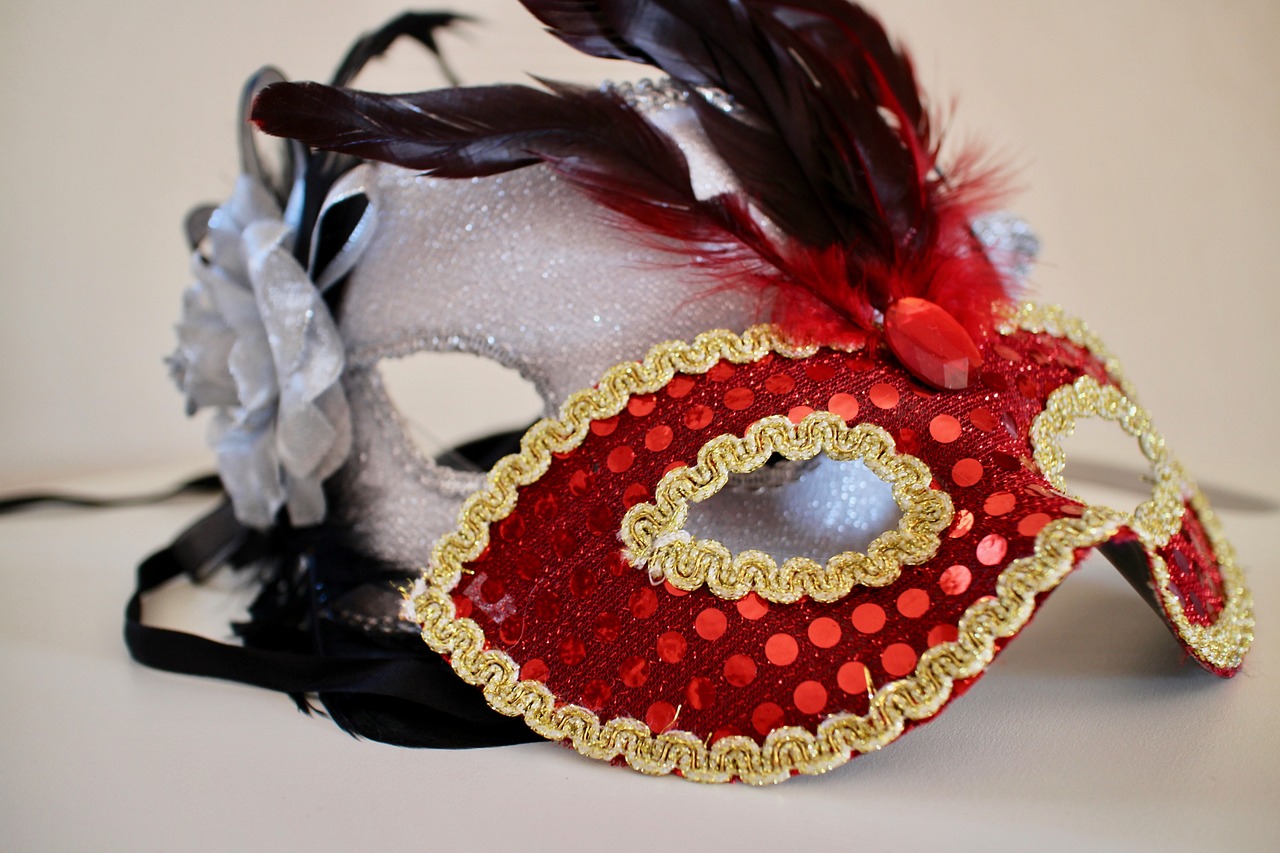
Why We Wear Costumes
The custom of dressing up on Purim (dating back to at least the 15th century) is tied to the concept of hester panim (the hiding of God’s face):
-
Hidden Miracles: Just as God acted “behind the scenes” through politics rather than open miracles, we hide our faces to acknowledge that things aren’t always what they seem.
-
Internal Loyalty: Costumes remind us that even when the Jewish people appeared to be assimilated (external disguise), their internal essence remained loyal to God.
-
Psychological Freedom: Disguises allow us to step outside our social constraints and experience a “purer” form of joy.