Why Do We Wait So Long to Celebrate the Torah?
Why do we rejoice over the Torah at this holiday and not on Shavuot, the holiday seemingly more appropriate?
A Holocaust survivor rediscovers his mother’s hidden letter decades later—a moment of love, memory, and faith. That’s what Simchat Torah is: after the High Holidays, we rediscover the Torah as God’s love letter to us, and we dance with it in joy. Explore more.
What if the most precious gift you ever received was sitting in a drawer, its true meaning hidden until the right moment? We received the Torah on Shavuot, yet we wait until Simchat Torah—months later—to truly erupt in joyous celebration. Why the delay? This moving story unlocks the profound emotional journey we travel each year, revealing why the joy of Simchat Torah can only be fully felt after the solemnity and introspection of the High Holidays.
What you’ll learn in this summary of the recorded schiur:
- A deeper understanding of why the celebration of Simchat Torah is perfectly timed after the High Holiday season.
- A moving story from the Holocaust that illustrates the enduring connection of the Jewish people to their heritage.
- How the Jewish holidays mirror a profound journey of rediscovering our relationship with God.
- The true meaning behind the dancing and joy of Simchat Torah—a celebration not just of a book, but of a deep, personal connection.
A Mother’s Last Gift
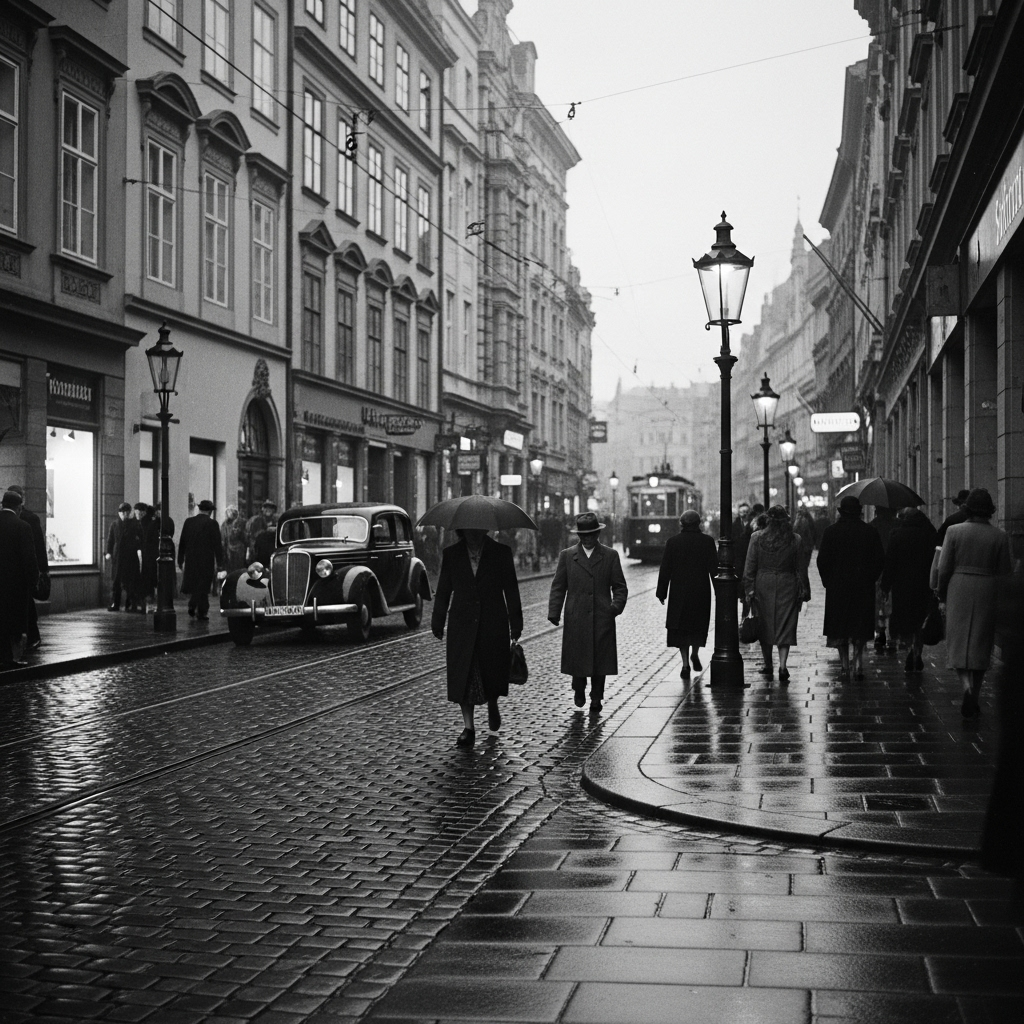
The story begins in a small European town during the darkest days of the Holocaust. A young couple, Abraham and Sarah Goldschmidt, faced an impossible choice. With the Nazi threat growing daily, they knew their seven-year-old son, David, had little chance of survival. Their only hope was a Christian orphanage on the outskirts of town known to take in Jewish children.
One evening, after much agonizing, little David overheard their whispered plans. He burst into their room, crying, “I’m not leaving you! I want to stay with you forever.”
That night, with a heavy heart, Sarah prepared a final gift. She took a small locket and placed a tiny photo of their family inside. But behind the picture, she tucked a secret note. It read:
“Dearest David, know that we love you so much. Be a good boy. And know that Hashem loves you so much and be a good Jew. Love forever, Mommy and Daddy.”
The next morning, she put the locket around David’s neck and walked him to the orphanage. Her last request to the nun was not to make him a Christian, but simply to ensure he always wore the locket, so he would never forget he had parents who loved him.
The Forgotten Locket and a Fateful Encounter
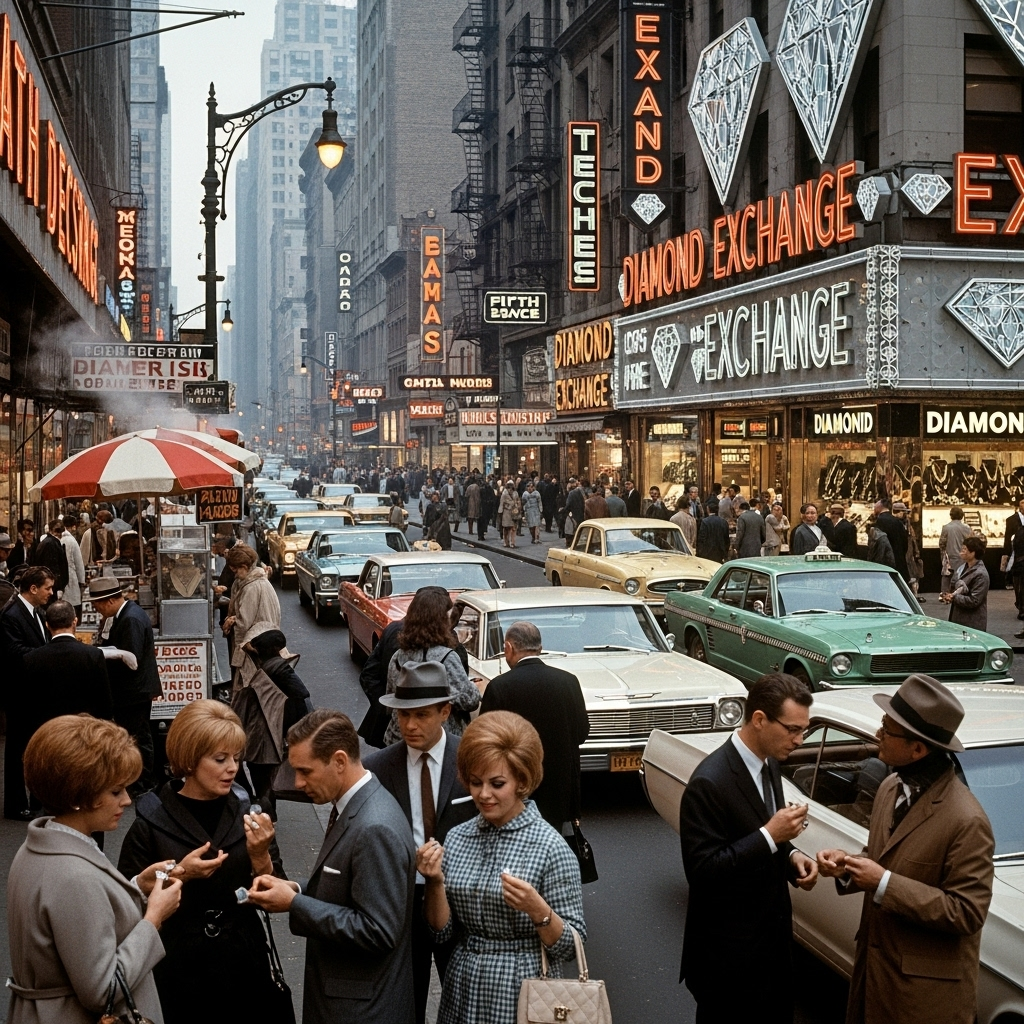
David survived the war. He made his way to America, the memories of his parents fading over time. He grew up knowing he was Jewish, but the locket became a relic of a forgotten past. It felt childish, and he eventually tucked it away in a desk drawer. David built a new life, becoming a jeweler in New York’s Diamond District.
Decades passed. One day, a young couple came into his shop with their grandmother to look at engagement rings. The grandmother, reminiscing about her youth in Europe, mentioned the name of her old town. It was the same as David’s.
“That’s impossible,” she said when David told her. “The Nazis took all the children.”
“My mother took me to an orphanage,” he explained. When he mentioned his mother’s name, Sarah Goldschmidt, the woman’s eyes widened. She had been in the concentration camp with Sarah.
“Oh, David, your mother loved you so much!” she exclaimed. “She carried your picture everywhere. She always talked about a letter she hid for you. She would say, ‘I hope my David reads the letter!'”
“The letter?” David asked, his heart pounding.
“She said she tucked it into the locket she gave you.”
The Letter Comes to Light
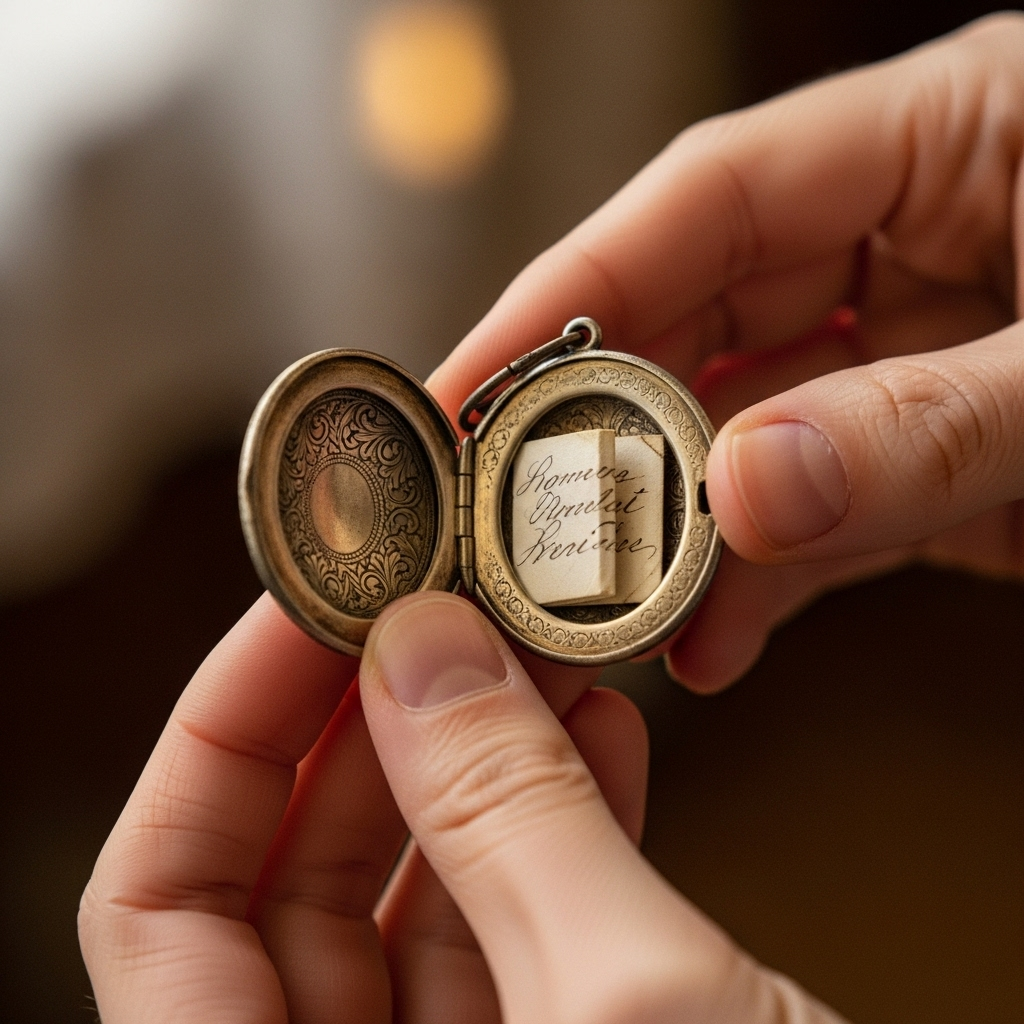 David froze. The letter. The locket. He excused himself and rushed to his back room, frantically searching through his old desk. He found the locket, pried it open, and behind the faded family photo, he discovered the tiny, folded piece of paper. With trembling hands, he read the words his mother had written for him so long ago.
In that moment, his past came rushing back. The love of his parents, the identity he had long forgotten—all contained in that small note. He wasn’t just holding a letter; he was holding the last piece of his parents, a tangible expression of their undying love.
He hugged it, kissed it, and danced around the room, overcome with a joy and connection he hadn’t felt in a lifetime.
From a Forgotten Locket to a Joyous Torah
This story is our own. Each of us is a soul sent into this world from our Father in Heaven. Before we left, He gave us a “locket”—the Torah. It’s a gift of love, a connection to Him. But as we live our lives, the locket can end up in a drawer. The Torah can feel like a burden, its deep meaning forgotten. We don’t throw it away, but our connection to it fades.
Then, the High Holidays arrive.
- Elul and Rosh Hashanah: Like the grandmother in the story jogging David’s memory, this season awakens ours. We hear the call of the shofar and are reminded of our Father, our King. We read about God’s love for us in the Torah portions for the holidays and begin to remember our deep connection. Learn more with Orthodox Union High Holiday resources.
- Yom Kippur: The distractions of the world fall away. We stand before God, just as David stood alone with the letter, and we reconnect on the deepest level. Explore Yom Kippur on OU Torah.
- Sukkot: God invites us into His home, the Sukkah. We are enveloped in His presence, solidifying the connection we have re-established.
After this incredible journey of return, we arrive at Simchat Torah.
Now, we are finally ready to celebrate. We don’t just celebrate receiving the Torah; we celebrate rediscovering what it means. Like David dancing with his mother’s letter, we finally understand that the Torah is not just a book of laws. It is a love letter from our Father in Heaven.
Only after the journey of the High Holidays can we truly feel the immense joy of that connection. We take out the Torah, our precious “locket,” and we hug it, kiss it, and dance with it—not just as a community, but as children who have remembered the depth of their Father’s love.
That is the secret of Simchat Torah. It is the culmination of our journey home.