During this year’s
seders, we will celebrate our joyous holiday of liberation with heavy
hearts. Even as we revel in our freedom as Jews in the modern world, our
brothers and sisters in Israel are in pain. In the seventeen months since
the Palestinians turned away from negotiations toward violence, too many
have died, too many have been injured, on both sides. And too many seders
will have empty chairs -- missing husbands, fathers, brothers, sons;
missing wives, mothers, sisters, daughters. The power of the seder – which
remains one of the most popular of Jewish ceremonies – comes from its
ritualization of memory. It is a most primal, most sensual, most literal,
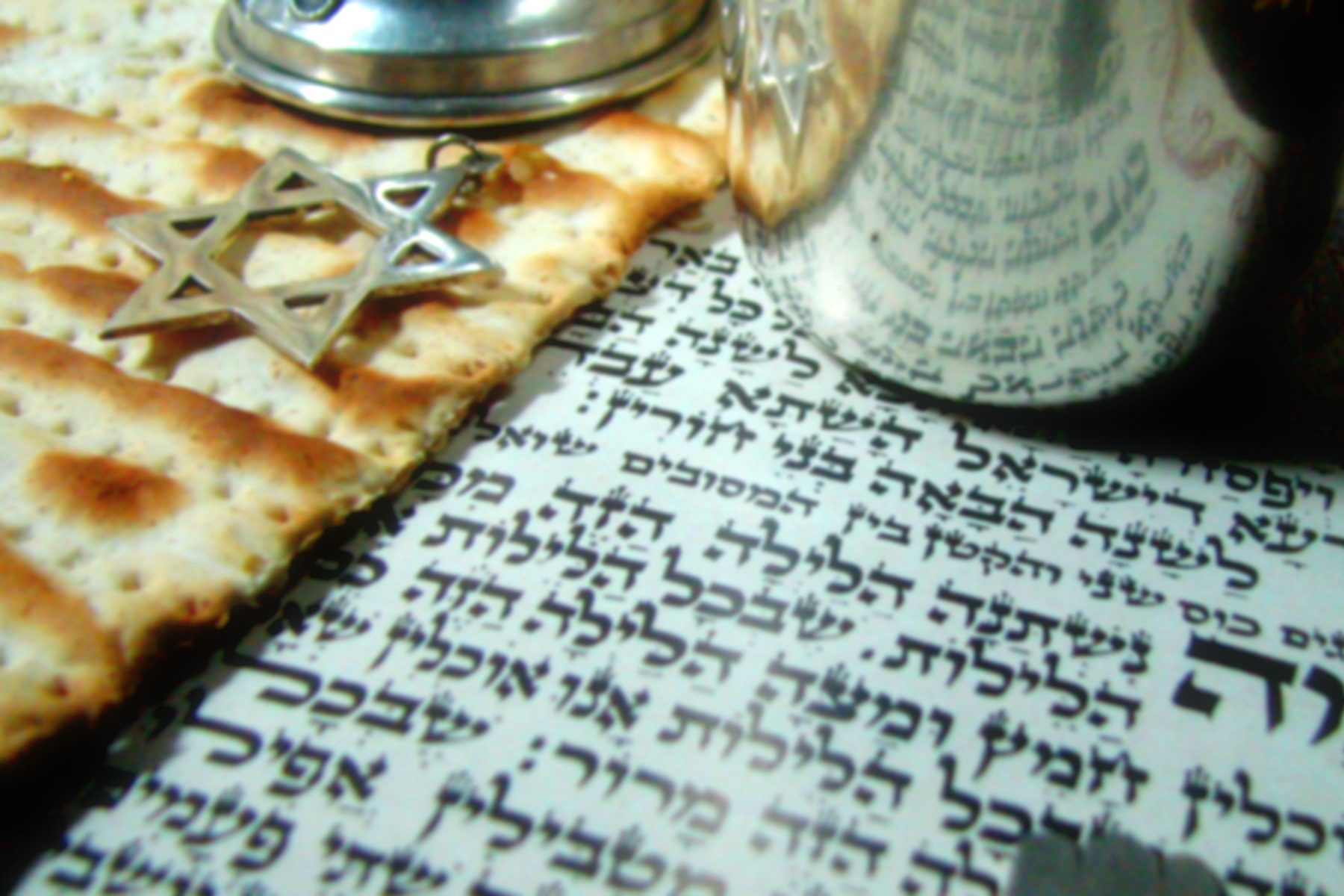
of services. The seder plate, with its representations of the mortar used
in building, the charoset, of the tears shed by the slaves, the salt
water, helps us visualize the trauma of slavery. The physical acts of
reclining, of eating special foods, of standing to greet Elijah the
prophet, help us feel the joy of yitziat mitzrayim, of leaving Egypt. And,
in an affirmation of the importance of peoplehood, we mark this special
moment not as individuals but as a community. In that spirit, we can not proceed with business as usual during these difficult times. We must improvise a new ritual that marks our present pain, that illustrates our connection with Israel and with Israelis today. Let each of us, as we gather in our seders, intrude on our own celebrations by leaving one setting untouched, by having one empty chair at our table. And as we do that, let us not just remember the dead as hundreds of nameless and faceless people, but let us personalize it, let us take the time to find out the name of one victim of the current conflict, one Jew who can not celebrate this year’s holiday, one family in mourning. Let us call out the name of Benny
Avraham, age 20, one of the Israelis kidnapped by Hezbollah in October,
2000, and now presumed dead. Let us call out the name of Koby Mandell, age
13, a young American immigrant brutally killed last May, whose father Seth
Mandell talks about the empty seat at his shabbat table, and about the
pain of watching other boys grow up, watching their voices deepen, their
shoulders broaden, their gaits quicken, even as his son lies dead. Let us
call out the name of Ayelet Haschachar Levy, age 28, who was
"guilty" of the crime of walking down an alley near
Jerusalem’s Machaneh Yehudah marketplace, the wrong place, at the wrong
time. Let us call out the names of Mordechai Schijvescheurder, 43, Tzira
Schijvescheurder, 41, Ra’aya Schijvescheurder, 14, Avraham Yitzhak
Schijvescheurder, 4, Hemda Schijvescheurder, 2, five members of one family
killed in the Jerusalem Sbarro Pizzeria bombing. Let us call out the names
of Shlomo Nehmad, 40, Gafnit Nehmad, 32, Shiraz Nehmad, 7, Liran Nehmad,
3, the family murdered, along with three of their cousins, as they spilled
into the streets at the end of Shabbat just a few weeks ago. And as we call out these names, unlike
too many of our enemies, let us not call for vengeance, let us not call
for more bloodshed. Instead, as we mourn, let us hope; as we remember the
many lives lost during this crazy and pointless war, let us pray ever more
intensely for a just and lasting peace. Information
about many of the Israelis killed in the current violence can be found at
the Israeli Foreign Ministry Web Site: http://www.mfa.gov.il/mfa/home.asp.
Click on the "In Memoriam" section. Gil Troy's latest book is Why I Am A Zionst: Israel, Jewish Identity, and the Challenges of Today.
|