

New Pilot Program Provides English-Speaking Soldiers with Spiritual Support...
OU Israel announced the launch of Frontline Support, an innovative new program to support English-speaking IDF soldiers in their spiritual and personal journey throughout army service. Utilizing a network of
What’s Great About Jewish Life in America? Celebrating Jewish...
As the country approaches 250 years of independence, Jewish community members reflect on the pride, resilience, and unity of American Jewry May is Jewish American Heritage Month, a time to
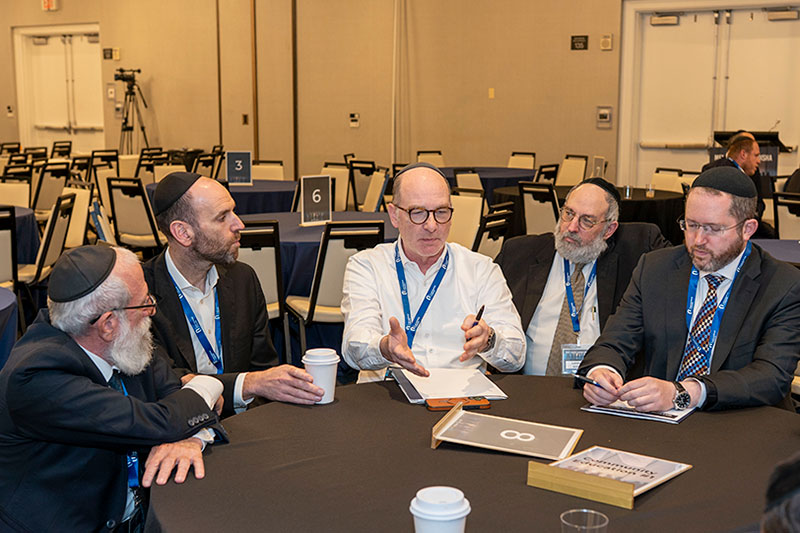
100+ International Chevra Kadisha Leaders Unite at OU–NASCK Inaugural...
Participants from across diverse hashkafic backgrounds came together for chizuk, networking, and practical guidance rooted in a shared mission of chesed shel emes The sacred work of Chevros Kadisha is
Honoring a Legacy at OU Kosher’s 32nd Annual Kashrus...
As OU Kosher CEO Rabbi Menachem Genack prepares to step down after 45 years, conference highlights the global network, collaboration, and standards he built and defined For many kashrus agency
New OU Kosher Podcast Offers an Inside Look Into...
“Keeping It Kosher” explores minhagim, halachot, and stories from the field, and offers behind-the-scenes insights into kosher certification From household-name foods to restaurants, simcha venues, and hotels, it’s easy to
Michigan Synagogue Attack
Once again, a house of worship has been shattered by an act of violence intended to kill Jews. We are outraged and shaken by the attack on Temple Israel in
The Orthodox Union Launches Revolutionary AI-Powered Torah App
OHRBIT personalizes Torah study, fostering growth and consistent learning for users of all ages.
Bayamim Ha’heim Baz’man Hazeh: Victory Is Not Yet Complete
The parallels to the original Purim story are too many to count. The leader of our enemies has been eliminated, Prime Minister Netanyahu and the IDF have been assisted by
Purim in Our Time: Standing up to Iranian Tyranny
This week, Jews around the world will celebrate the holiday of Purim. We will read the Bible’s story of Esther and Mordechai overcoming the genocidal plans of Haman who sought
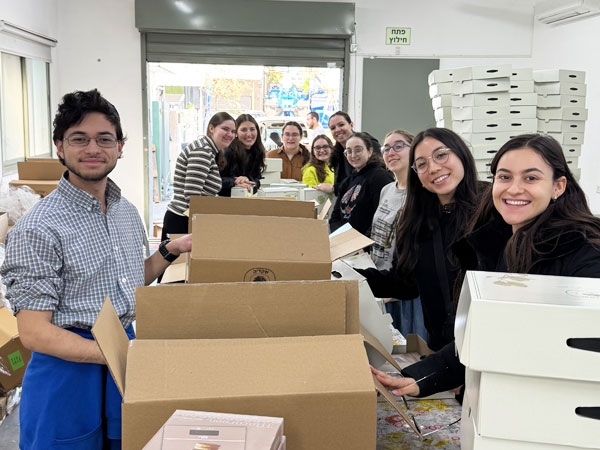
Israel Free Spirit Birthright Mission Inspires Commitment to My...
I recently had the opportunity to travel to Israel on an eight-day volunteer mission in partnership with Israel Free Spirit, the Orthodox Union’s Birthright Israel department, during my 10-month fellowship
Recent Articles
New Pilot Program Provides English-Speaking Soldiers with Spiritual Support and Community
What’s Great About Jewish Life in America? Celebrating Jewish American Heritage Month
100+ International Chevra Kadisha Leaders Unite at OU–NASCK Inaugural Men’s Conference
Honoring a Legacy at OU Kosher’s 32nd Annual Kashrus Conference
New OU Kosher Podcast Offers an Inside Look Into the World of Kashrus
Michigan Synagogue Attack
The Orthodox Union Launches Revolutionary AI-Powered Torah App
Bayamim Ha’heim Baz’man Hazeh: Victory Is Not Yet Complete
Purim in Our Time: Standing up to Iranian Tyranny
Israel Free Spirit Birthright Mission Inspires Commitment to My Fellowship Work

Subscribe To The OU’s Shabbat Shalom Weekly Newsletter
Weekly email newsletter filled with articles, Divrei Torah, upcoming events and more! Sign up today.