

by Yaakov Langer
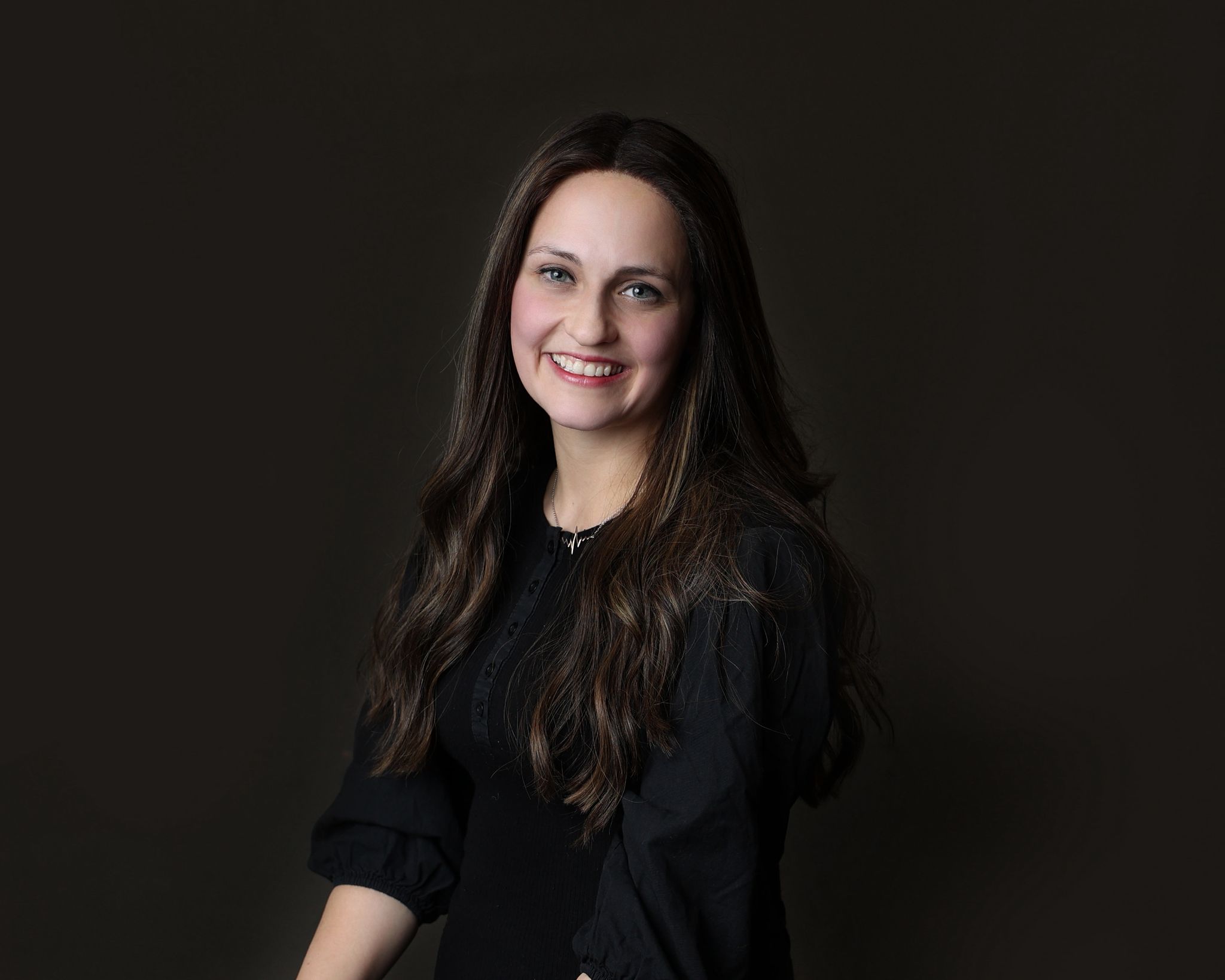
Hadassa Hirsch didn’t set out to build a movement. She didn’t sit down with a business plan, line up investors, or map out market research. What she did was open her apartment on a Wednesday night to single women.
Just a few women at first. Some paint, maybe a canvas. A little art. A little laughter. Nothing formal. Nothing fancy.
But from that simple act of hospitality grew something that didn’t exist in the frum world until Hadassa created it: a vibrant, consistent, structured community space just for single women — not a dating service, not a support group, and not a one-time event. A space for belonging.
It’s called Unite.
In a town like Lakewood, where weddings are daily and the pathway from seminary to motherhood is often fast-tracked, Unite quietly pushes back against the painful in-between. Against the ache of waiting. Against invisibility.
Because, as Hadassa puts it, “We have schools for children. We have programs for families. But for the stage in between — where are the resources? Where are the people saying, ‘You belong here too’?”
A Basement, a Vision, and a Gap No One Was Filling
Hadassa and her husband got married young. “I was 21. He was 22. We were living in a tiny basement, and we were hosting 10, 15 guests every Shabbos.” She laughs gently as she remembers it. “We just love people. Slowly, over time, we noticed something.”
Women kept coming — not in pairs, not in groups, but on their own.
“Men are easier to host,” she explains. “They can jump into a minyan, get invited to a meal. For women, it’s harder. They’re more isolated.”
What started as warm Shabbos hospitality evolved into something deeper. Patterns emerged. Familiar faces returned. Conversations got real. She started to notice a troubling pattern: the emotional and spiritual impact of women living on their own with little structure or support. “When someone’s not connected to a community, the risks go up — anxiety, depression, disconnection.”
She shared these concerns with community leaders. “That was the turning point,” Hadassa says. “We brought a problem, but they helped us see the bigger picture.”
She credits figures like Rabbi Binyomin Greenspoon of Nesivos, a noted presence in Lakewood’s mental health space, as an early encourager. “What’s needed isn’t just intervention — it’s prevention, a positive space where women feel connected before they hit a crisis point.”
So Hadassa jumped. She rented a space, furnished it, committed to a two-year lease, hired staff, and launched with three nights a week.
“I didn’t want this to depend on me. I didn’t want it to fizzle out when life got busy. It had to be real — something women could count on.”

Who It’s For — and Who It Isn’t
Unite isn’t trying to be everything. It’s not a Shidduch service, although it runs occasional speed dating events. It’s not a mental health program, though it has significant impact on the women’s emotional well-being. And it’s not another Zoom class.
It’s a place.
“It’s for frum single women,” Hadassa explains. “We divide them into age groups — 18–21, 22 and up, 28 and up, and we also have a group for divorced women who do not have children — just so everyone can find peers who relate.”
The need, she says, isn’t about programming. It’s about people. “These women are doing everything right. Working, showing up. But no one sees how much they’re carrying. No one sees the loneliness.”
That’s why Hadassa designed Unite around consistency: weekly programming, regular Shabbatons, WhatsApp chats buzzing with job listings, apartment leads, and even mechanic referrals and more. The kind of low-key, real-life support many married women get from a built-in network.
“This is about giving women a space where it’s normal to say, ‘Want to do Shabbos together?’ or ‘Want to go on vacation with me?’ That’s what many married people take for granted.”
The most common hesitation she hears? “I want to come, but I don’t know anyone.”
“And I always say — that’s exactly why you should come.”
Couch Convos, Cooking Nights, and Chocolate on Erev Yom Tov
Unite’s events are anything but cookie-cutter.
Yes, there are shiurim. But we like to call them “couch convos” and designed for interaction. Hadassa invites therapists, teachers, investors, health coaches — “really anyone with something to share.”
And yes, there’s still art like there was in the Hirsch’s basement. But now there’s also cooking nights, dance nights, budgeting workshops, spa nights, and chocolate-and-manicure outings before Yom Tov.
Even Chanukah isn’t overlooked — Unite opens every night for women who live alone to come and light together. Because the hardest days, Hadassa says, are the joyful ones. “Yom Tov. Purim. Breaking a fast. They’re meant to be full of people. Full of love. But when you’re alone, those are the days that ache the most.”
Unite makes sure no one lights alone. No one breaks fasts alone. No one walks into Pesach or Purim or a long Shabbos with just silence. “It’s not therapy,” she clarifies. “It’s just people. Together.”
They Dance Out the Door
When women get engaged, they’re not “kicked out.”
They’re celebrated.
“We tell them — we’re dancing you out the door. Come until your wedding. We’ll be there. We’ll dance with you.”
Unite alumni are still invited to special events. They get baby gifts. They stay on the chat. “Some say they drive by the building and just miss it,” Hadassa shares. “They’re happy — but they remember.”
And while Hadassa is flooded with requests to expand — to married women, to other life stages — she’s disciplined about her mission.
“If I try to do everything, I’ll get nowhere. Right now, my job is to be here for the in-between. For the stage no one else is addressing.”
There are branches now in Florida and Detroit. Others in Five Towns and beyond are in touch. But Hadassa is cautious. “If it opens, it has to last. Consistency is everything.”
More Than Just Social — A Lifeline of Belonging
Hadassa often hears the same refrain: “Why is she still single?” Or worse — “What’s wrong with her?”
Unite reframes the entire experience of being single — not as a flaw to be fixed but as a stage to be supported. And in doing so, it removes the sting of judgment and replaces it with dignity.
“These women want what everyone wants,” Hadassa says. “Companionship, purpose, belonging. And they deserve to feel part of something.”
That sense of belonging is more than emotional — it’s built into the structure of Unite itself. While the programming is available to all, they decide how much they want to give a month; some pay nothing at all. Membership is designed not as a barrier, but as a bridge.
“It’s technically optional,” Hadassa explains, “but most women choose to pay. We want them to feel like this isn’t a handout — it’s their community. Something they’re a part of, not something being done for them.”
The model works. Membership not only assists with the practical costs of running such a consistent program, but it also deepens commitment, ownership, and connection. It reinforces the idea that showing up here isn’t just charity — it’s investment.
The Quiet Power of Community
Hadassa Hirsch doesn’t see herself as a hero. She doesn’t use words like visionary. She uses words like “Practical.” “Wholesome.” “Consistent.” But behind those words is a quiet revolution. A refusal to let anyone fall through the cracks. A declaration that the stage of waiting deserves as much dignity and celebration as any other. And a belief that one day, Unite won’t be a novelty.
“One day,” she says, “people will say: ‘Of course our community has this. How could it not?’”
Until then, Hadassa and her team will keep showing up — every week, every Yom Tov, every couch convo and cooking night — holding space for the women in between, and making sure they know:
They are not alone.
To sign up for the Kol Echad Limited Series E-Magazine, click here: https://www.ou.org/kolechademail/
 Yaakov Langer is the founder of Living L’chaim and the “Inspiration for the Nation,” where he interviews a wide range of Jewish voices around the world. His platform has grown to over 1.6 million subscribers through consistent, thoughtful content and guest selection.