Statement from The Orthodox Union and the Orthodox Union-Jewish...
This morning, the following guidance was shared with the students in our JLIC and Yavneh programs by Rabbi Elie Buechler of OU-JLIC at Columbia Barnard: Dear Yavneh, What we are

Orthodox Union Lay Leadership Mission to Israel Highlights OU’s...
OU Board Members Inspired by Resilience of Israeli Citizens and Influential Leaders Since the horrific atrocities of October 7, OU Israel has served as a leading source of physical, emotional,
Orthodox Union’s B’Yachad LaNetzach Project Memorializes IDF’s Fallen Heroes
Ahead of Yom Hazikaron, Communities Encouraged to Adopt and Honor a Fallen Soldier in a Show of Gratitude and Support for Their Ultimate Sacrifice for Klal Yisrael Staff Sgt. Maoz
Orthodox Union to Lead Data-Driven Policy Changes Inspired by...
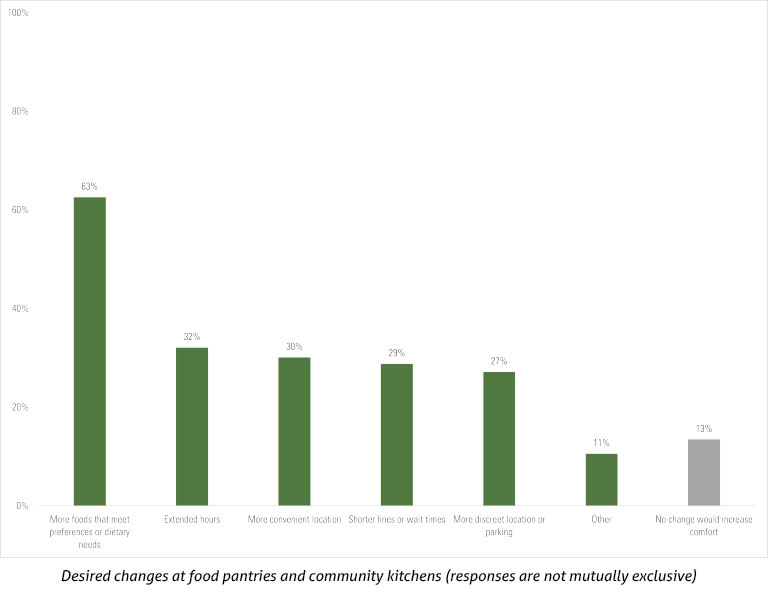
Groundbreaking Research by Jewish Nonprofit Planning and Research Institute and Gemiluth Chessed of Greater New York Focuses on the Experience of Food Insecurity While their friends and neighbors are feverishly
Orthodox Union Statement on Iranian Attacks Against Israel
We are grateful that, with Hashem’s help, tonight’s massive airstrikes from Iran were successfully intercepted and repelled by Israel and its allies. מזמור לתודה הריעו לד’ כל הארץ … בואו
OU Kosher’s STa”M Initiative to Oversee the Kashrus and...
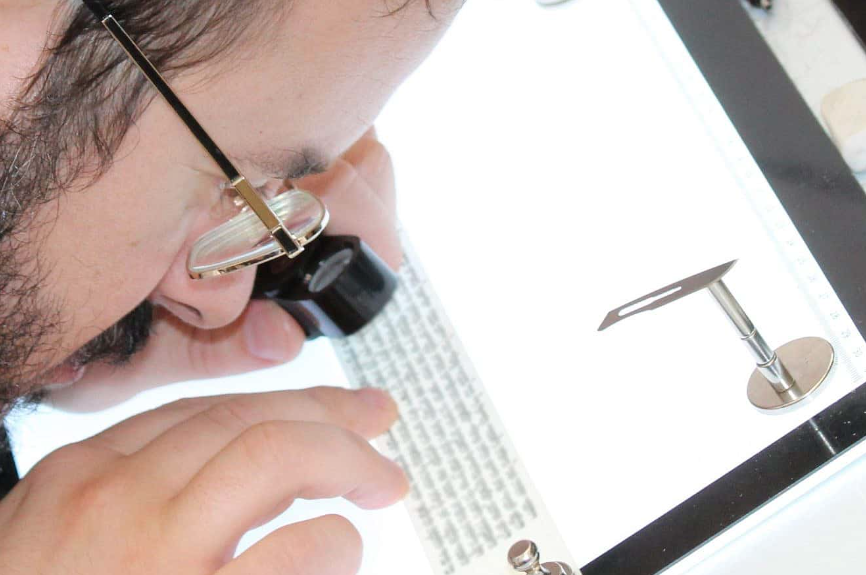
In a market lacking transparency, OU Kosher partners with Israel-based non-profit to improve mezuzos industry’s kashrus

OU’s NCSY’s NY & NJ Gala Celebrates Jewish Public...
Evening honored three couples for their outstanding contributions to NCSY At a time when Jewish public school teens are grappling with relentless antisemitism and anti-Zionism on campus, Jewish Student Union
Orthodox Union Mourns the Passing of Senator Joseph Lieberman
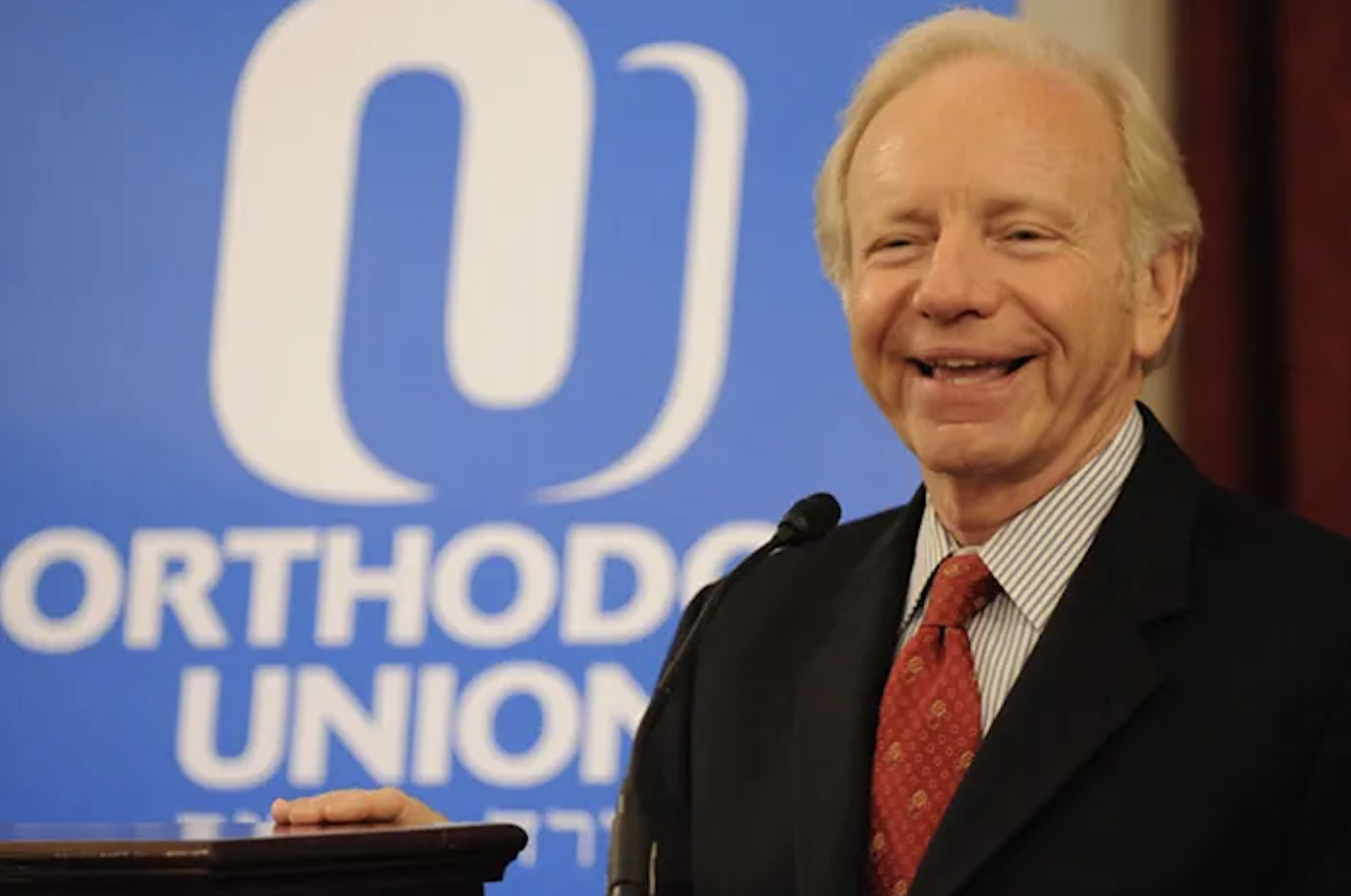
The Orthodox Union is deeply saddened by the news that Senator Joseph Lieberman passed away today at the age of 82. Joe Lieberman was a member of our community who

Orthodox Union’s Synagogue Initiatives Department an Invaluable Resource for...
With 250 Consults Annually, Department is the Go-To Support Network for Synagogue Executive Directors Rabbi Adir Posy knows firsthand about the joys and challenges of being heavily involved in shul

Orthodox Union’s NCSY 4G Convention Draws 200 Orthodox High...
4G Program Empowers Young Women to Bring Meaning to Their Judaism on Their Own Terms Standing in concentric circles, locked arm in arm, and swaying slowly to the rhythm of
Recent Articles
Statement from The Orthodox Union and the Orthodox Union-Jewish Learning Initiative on Campus
Orthodox Union Lay Leadership Mission to Israel Highlights OU’s Critical Impact Nationwide
Orthodox Union’s B’Yachad LaNetzach Project Memorializes IDF’s Fallen Heroes
Orthodox Union to Lead Data-Driven Policy Changes Inspired by Kosher Food Insecurity Study
Orthodox Union Statement on Iranian Attacks Against Israel
OU Kosher’s STa”M Initiative to Oversee the Kashrus and Authenticity of Mezuzos for the Benefit of the North American Public
OU’s NCSY’s NY & NJ Gala Celebrates Jewish Public School Teens’ Resilience Amid Relentless Antisemitism
Orthodox Union Mourns the Passing of Senator Joseph Lieberman
Orthodox Union’s Synagogue Initiatives Department an Invaluable Resource for Shul Administrators
Orthodox Union’s NCSY 4G Convention Draws 200 Orthodox High Schoolers

Subscribe To The OU’s Shabbat Shalom Weekly Newsletter
Weekly email newsletter filled with articles, Divrei Torah, upcoming events and more! Sign up today.